Choosing a wok feels deceptively undeniable until eventually you stay with one. The fallacious diameter and dinner becomes a wrestling in shape with crowded vegetables, sputtering oil, and pale, steamed meat. The true measurement, however, makes the pan think like an extension of your hand. Your spatula slides, foodstuff arcs, the warmth responds, and you finish a weeknight stir-fry in five mins flat with shade and gloss that look restaurant-equipped. Size is foundational, no longer a trivial element. It governs warmth dynamics, skill, and how the wok behaves together with your range.
I personal more woks than any not pricey user will have to: carbon steel workhorses in 12, 14, and 16 inches, a spherical-bottom heirloom that desires a hoop, a flat-backside carbon metallic for electric and induction, and one indulgent forged iron piece that I generally use for smoking duck legs. I rotate them intentionally and can let you know whilst every single one earns its preserve. If you cook dinner on a normal abode selection and ask yourself what measurement wok do I want, this can be the useful, lived-by way of guideline I desire I had.
How wok size impacts heat and flavor
A wok is greater than a bowl of steel. Heat climbs the partitions, oil swimming pools at the base, and the curved geometry encourages consistent motion. Size determines how these forces interact.
A smaller wok concentrates warmness. With a ten or 12 inch wok, the base heats right now and peaks top, which is good for searing a component or two. But crowd it, and the temperature falls off a cliff. Vegetables unlock water, steam billows, and the Maillard magic by no means happens. A better wok provides you acreage. The warm spreads across a broader base, you get extra hot steel in touch with more food, and steam disperses in a timely fashion. That house is the change among a deep-brown sear and a gray, soggy shrug.
The trap: house stoves have constrained chronic. Gas burners most commonly run 7,000 to 18,000 BTU in residential kitchens. Electric tops and induction contraptions behave in a different way, but they percentage limits. A wok it really is too giant for your burner turns into thermal deadweight. You warmness the center, the sides languish, and you lose the nimble temperature handle that wok cooking demands. So the goal is solidarity. A wok length that matches your burner footprint and your element sizes, with enough headroom to toss nutrition without raining broccoli throughout the backsplash.
Gauge your range first, now not your appetite
Before we communicate diameters, jump together with your heat source. The stove comes to a decision what you can actually maintain.
If you cook on gasoline, degree the burner head. A general mid-measurement burner has a flame spread of approximately four to five inches, while a excessive-output burner would spread to six or 7. The desirable flat subject of your wok will have to entirely disguise the flame unfold without exceeding it by using greater than an inch or so. If it is easy to see flame licking beyond the bottom and up the sides, one could scorch the seasoning on the rim while the heart underperforms.
On induction, the coil footprint matters. Woks want direct contact for efficient heat move. Flat-bottom woks of 5 to six inches of contact subject pair most reliable with user-friendly 6 to 8 inch induction zones. A heavy sixteen inch wok with a small flat arena may fit, yet power cycling and temperature swings was more suggested. Induction’s strength is its responsiveness, so that you choose enough touch to stay warm stable at the same time you toss.
Electric coil or radiant glass tops demand steadiness. Flat-backside merely. The flatter and bigger seated the wok, the more regularly this can warmth. A 14 inch flat-backside wok is conceivable the following, presented the flat contact patch is a minimum of 5 inches to take a seat joyful at the ring or glass.
Round-backside woks shine on actual wok burners or with a committed ring that positions the wok over a gasoline flame. If you may have a amazing outdoor burner, the regulations shift. A sixteen or 18 inch circular-backside might be intoxicating. Indoors with time-honored BTU, you would get superior results with 12 to 14 inches.
The candy spot for maximum house cooks
If you simplest choose one wok, purchase a 14 inch carbon steel. That dimension suits maximum dwelling burners, chefs two to 4 pieces without problems, and has ample sidewall for tossing with no losing meals. It is vast enough to unfold out a pound of rooster or shrimp in a unmarried layer, yet compact ample to heat quickly and save with no resentment.
For one or two diners with a smaller stove, a 12 inch wok plays fantastically. It helps quick weeknight nutrients and handles a part pound of protein plus greens with no steaming. It additionally preheats swifter, what size wok do I need that is a present while the clock is imply.
If you usually cook dinner for five or more, or love noodle stir-fries with generous vegetables and tofu, then a 16 inch wok earns its space. But basically in case your burner has the muscle. On a modest stove, a sixteen inch can feel like driving a sporting activities motor vehicle in first equipment.

Flat-bottom as opposed to round-bottom and the way length interacts
Shape affects constructive size. A 14 inch round-bottom wok has a extraordinarily small flat factor at the heart, which concentrates warm. A 14 inch flat-backside wok generally has a 5 to six inch flat area beforehand the curve climbs. That will increase the searing footprint. Think of it like a skillet nested within a wok.
If you've got a fuel stove with out a wok ring and plan to take advantage of the wok at the grates, a flat-bottom 14 inch carbon metallic is the maximum forgiving. It sits stable, captures the flame, and affords you room to move. On induction or glass electric powered, it seriously is not elective.
If you personal a wok ring or an outside burner, a 14 inch spherical-backside handles tossing more evidently and encourages that speedy, rolling motion that helps to keep components in touch with warm. In this scenario, measurement on your flame, not simply your portion; a spherical-bottom can go to sixteen inches if the burner supports it.
Real cooking scenarios and which diameter fits
I decide wok length with the aid of what I can prepare dinner devoid of compromise.
A unmarried element stir-fry, like ginger beef with snow peas, sings in a 12 inch wok. The meat browns in seconds as it spreads across a tight sizzling area. Peas hit the curve, gloss with oil, and stay crisp. If I leap to a 14 inch for one, I get identical outcome, but I turn the warmth somewhat top and deliver it yet another 20 seconds to preheat.
Two to three portions, a regular weeknight, consider stable in a 14 inch. A pound of hen plus greens, a noodle dish for three, fried rice for two with excess egg and scallion, all fly with out pooling liquid. When I attempt that amount in a 12 inch, I have got to degree aggressively, cook protein and vegetables in batches, then marry on the finish. It works, but it prices time and warmth.
Family night time, five hungry other folks and a peanut sauce noodle stir-fry with bok choy, desires a 16 inch wok to retain everything shifting devoid of steaming. On a 14 inch, I cut up batches. That is best if the sauce is good and I retailer the pan roaring. For fried rice, even at quantity, I nonetheless desire a 14 inch as it handles the toss more effective and the rice does now not escape as with no trouble.
If I deep-fry spring rolls or tempura in a wok, I attain for the 14 inch or sixteen inch because oil wants depth. A 12 inch can do it, yet potential shrinks. Similarly, for steaming with a bamboo basket, a 14 inch fits general steamer diameters and leaves headspace.
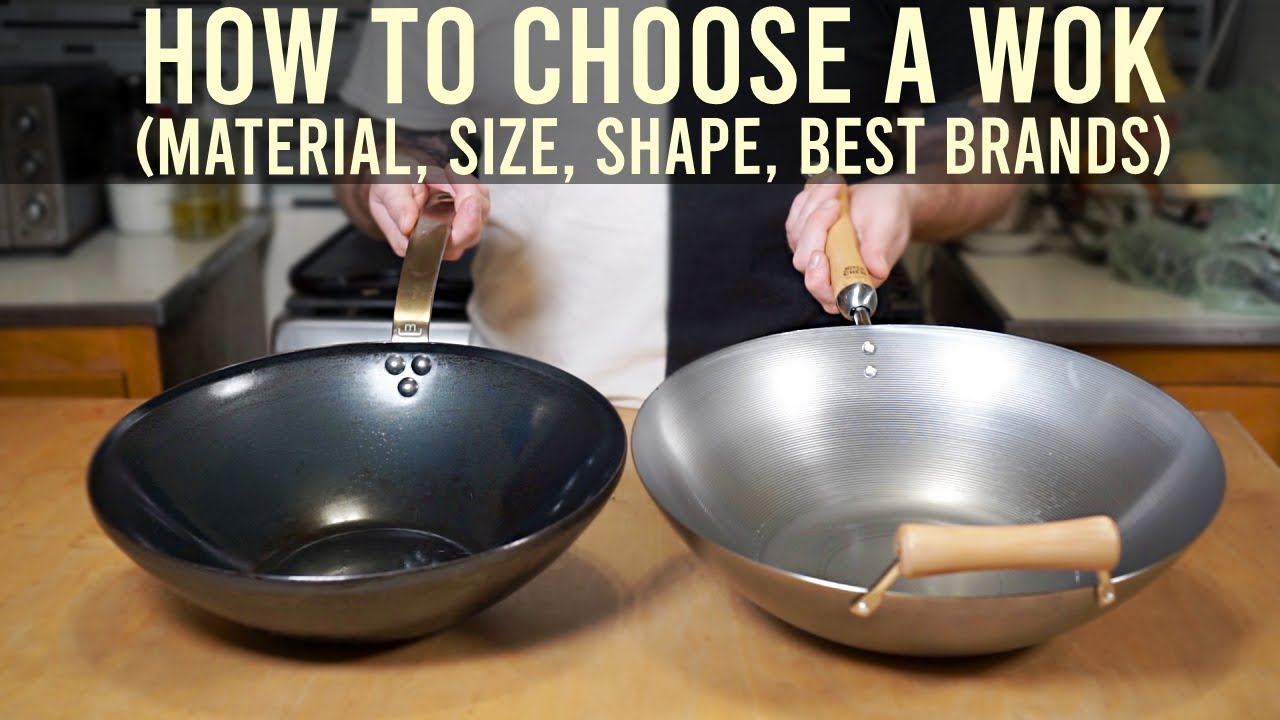
Thickness, metallic, and the way measurement ameliorations the feel
Material influences how dimension behaves. Carbon metallic, in 1.5 to two millimeter thickness, is the traditional selection. It heats quickly, cools briefly, and seasons to a average nonstick patina with use. In 14 inch, this thickness grants a stability of speed and balance. Stepping as much as 16 inches with thin steel can think whippy should you toss. If you cross increased, reflect on a barely heavier gauge for stiffness.
Cast iron woks continue warm fiercely but take time to preheat. In 14 inch, cast iron feels luxurious for fried rice and searing, less splendid for tender tossing. If you select cast iron, deal with 14 inches as your ceiling unless you could have serious warmness and stable wrists. Enameled cast iron woks appearance good-looking but reside like Dutch ovens; they braise smartly, however for top-warm stir-fry, naked carbon steel is extra nimble.
Stainless woks exist and will be chic, extraordinarily in tri-ply that spreads warmth. They are much less forgiving with sticky sauces and eggs and require extra oil to imitate a pro carbon metallic surface. If you insist on stainless, stick with the same diameters: 12 for one to 2, 14 for maximum, 16 solely with a strong burner.
The human thing: achieve, wrist, and kitchen flow
I can turn a 14 inch carbon metal wok one-passed. A 16 inch makes me sluggish down, two-hand the toss, and imagine the place the handles will swing. If you cook in a decent galley kitchen, a significant wok isn't always simply heavy; it knocks utensils and elbows. Measure your house. The difference between 14 and sixteen inches on paper is multiple inches. In a small kitchen, it will probably be the big difference among grace and fuss.
Height topics too. A shorter cook dinner may also favor a 12 or 14 inch with a helper tackle, in view that clearing the rim for a easy toss takes much less carry. If you mainly prepare dinner overdue or tired, settle upon the size that feels dependable to move when sizzling and loaded. Food deserve to fly within the pan, no longer throughout the tile.
How component measurement, now not just headcount, publications the choice
Two humans can devour like three if noodles, veggies, and tofu all percentage the pan. I feel in grams and quantity. A wok handles approximately:
- About 450 to six hundred grams of protein in a 14 inch earlier than crowding compromises sear. About 750 grams of combined vegetables in the event you degree and continue them transferring, much less if they may be watery like zucchini or mushrooms. About three cups of cooked rice for fried rice in a 14 inch, which yields two generous pieces or 3 slight ones. About 250 grams of dry noodles for a sauced stir-fry in a 14 inch, bigger if the sauce is easy and the veggies are leafy.
Those numbers translate neatly. If you step by step push seven-hundred grams of protein or four cups of cooked rice, step as much as 16 inches or cut up batches. If you choose lean, minimalist tosses with plenty of char and house, a 12 inch will become thrillingly responsive for one grownup, and a 14 inch stays very best for two.
When smaller is smarter
There is exhilaration in a 12 inch wok that heats like a healthy and rewards awareness. For an omelet folded with chives and crab, for charred scallions, for a quick dan dan noodle component in the dead of night, the small wok obeys straight. It also does not punish you for underloading. A sizeable wok with a thin layer of nutrition hazards scorching on the grounds that the perimeters radiate warmness returned onto a sparse heart.
If you as a rule cook for one and occasionally for 2, a 12 inch will not confine you. You will batch oftentimes, yet one could cook greater aas a rule in view that the barrier to entry is lower. I actually have a 12 inch permanently seasoned and competent for 6 minute food. On weeknights, that subjects greater than theoretical capacity.
The query everybody asks: what size wok do I desire?
Start together with your range, then your hobbies.
- Gas stove lower than 12,000 BTU, cooking for one to 2 maximum days: 12 inch carbon metal, flat-bottom. It will preheat effortlessly and live responsive. Mid to high BTU fuel or stable induction region, cooking for two to four: 14 inch carbon steel, flat-bottom for induction or without a ring, round-backside when you have a hoop or backyard burner. This is the default alternative. High-output burner or outside wok setup, cooking for four or extra or doing familiar massive noodle dishes: sixteen inch carbon metallic, round-bottom preferred if your setup supports it.
The attractiveness of a 14 inch is that it does every thing slightly nicely. It is the chef’s knife of wok sizes. The 12 inch behaves like a boning knife: nimble and exact. The sixteen inch is your carving knife, just right for massive jobs if in case you have room and vigour.
How to check measurement at abode sooner than you commit
Take a tremendous mixing bowl. Flip it over to your largest burner. Imagine nutrients piled alongside the slope. Now think of tossing with out the rim fouling in opposition t your returned wall. That crude experiment presentations you the footprint and the throw arc. If the imaginary bowl grazes your hood or cupboards, a sixteen inch is simply too considerable in your station.
Next, check out your frying pan. If you generally max a 12 inch skillet for two, you may savor a 14 inch wok. If your 10 inch skillet feels generous, a 12 inch wok will cope with your needs. This just isn't technology, however it maps nicely to daily fact.
Managing heat with the top size
Whatever diameter you choose, keep an eye on warmth like a expert. Preheat the wok until a drop of water skitters and evaporates in a 2d or two. Add oil, swirl, then today add aromatics or protein. The first ninety seconds determine the whole dish. With a 14 inch wok, that preheat takes approximately 60 to 90 seconds on a medium-high domestic burner. With a 12 inch, it will possibly be as swift as 45 seconds. With a sixteen inch, are expecting longer, and continue patience.
If smoke pours aggressively earlier meals hits, your pan is simply too scorching for its mass. Dial down a notch. If the sizzle fades whilst you add protein, your wok is too small to your portion or underheated for its measurement. Either shrink the batch or switch to a bigger wok for those who frequently hit that wall.

The seasoning query and how measurement performs in
Seasoning, that demanding-earned lacquer of polymerized oil, builds turbo in a smaller wok in basic terms due to the fact you heat it entirely extra mostly. A 12 inch can suppose fantastically nonstick inside a week of every single day use. A 14 inch follows quickly after. A 16 inch takes longer until you cook at extent in many instances. If you're new to carbon metal, here's a cause to stay away from beginning with a sixteen inch until you recognize you can use it broadly speaking.
When seasoning, deal with the wok like you treat solid iron, however with greater movement. After cleansing, dry over warmth until eventually moisture is long gone, upload a thin movie of excessive-smoke-aspect oil, and warmth except the sheen is going from glossy to satiny, oftentimes a light blue or straw tint. Repeat as wished. Size impacts how flippantly this procedure occurs. A 14 inch is forgiving considering that its base and decrease walls heat always on normal burners. That consistency is one of the crucial explanations it earns the default slot.
Storage and maintenance realities
A 14 inch wok matches in most shelves for those who nest it or grasp it through the control. A sixteen inch repeatedly does no longer. I keep my sixteen inch on a rack, which is nice in a test kitchen and aggravating in a slender metropolis condo. If counter space is top class, issue storage on your dimension alternative.
For cleaning, dimension differences your sink dance. A 12 or 14 inch rinses honestly and wipes fresh with warm water and a delicate brush. A 16 inch in a small sink calls for gymnastics. Carbon steel hates long soaks. Dry in an instant over warm and oil lightly if the floor seems to be thirsty. The higher the wok, the more warm you want to chase off water promptly with no leaving splotches that raise seasoning.
A short buying listing that respects reality
- Match diameter to burner continual and pan contact. A 14 inch carbon metallic matches such a lot. Prefer 1.5 to 2 millimeter carbon metallic for balanced weight and responsiveness. Choose flat-bottom for induction, electric powered, or gasoline without a ring. Round-backside for ring or out of doors burner. Test weight and deal with relief. You could be ready to tip and toss safely with one moist hand. Plan garage. If a 16 inch will are living at the counter endlessly, make peace with it earlier than you purchase.
Where luxury fits
Luxury in cooking will never be about gold hardware or a logo stamped on the deal with. It is the sensation that the instrument for your hand disappears and leaves you with purely the cuisine. The suitable wok length does that. The pan heats with out fuss, there is room to breathe within the toss, and your foods color in place of sweat. The odor of garlic blooms at the exact second you expect. You plate with self belief because all the things cooked at its pace.
For my personal weeknights, the 14 inch carbon metallic lives at the entrance top burner. It is the wok that meets me the place I am, regardless of whether that may be a seven-minute garlic-chili shrimp for two or a Saturday fried rice with leftover roast duck and scallions. The 12 inch sits subsequent to it for overdue-evening noodles after I cook dinner just for myself and want precision over capability. The sixteen inch waits for relatives gatherings and outdoor burners, and while it comes out, I recognize I have the heat and the site visitors to justify it.
If you might be nevertheless asking what measurement wok do I want, beginning with a 14 inch until a specific constraint tells you in another way. After a month of what size wok do I need cooking, you possibly can recognize in the event that your rhythm asks for smaller or higher. That is the quiet luxurious of the excellent tool: it teaches you with the aid of making both meal just a little more convenient, a little bit swifter, and an awful lot greater scrumptious.